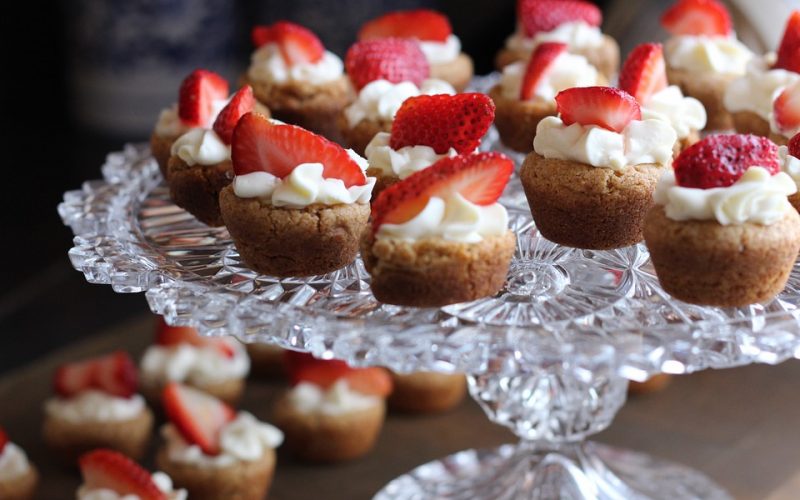
Few baked goods have had a cultural moment quite like the cupcake. What started as a humble, single-serving cake has evolved into a global phenomenon — inspiring dedicated bakeries, viral social media content, and even television competitions. The cupcake trend has shown remarkable staying power, outlasting countless other food fads to become a fixture of modern baking culture.
Where it all began
The cupcake's rise to fame is often traced back to the early 2000s, when bakeries like Magnolia Bakery in New York City began drawing long queues of customers willing to wait for a single frosted cake. A notable appearance on Sex and the City only accelerated the craze. Suddenly, cupcakes were no longer just birthday party fare — they were a lifestyle statement.
The social media effect
The explosion of Instagram and Pinterest gave cupcakes a second wind. Their small size and generous frosting make them ideal for photography, and bakers quickly realised that a beautifully decorated cupcake could attract thousands of likes. Elaborate designs featuring buttercream flowers, edible glitter, and towering swirls became the norm. The more photogenic the cupcake, the wider its reach — and the longer the queue outside the bakery that made it.
More than just a sweet treat
The cupcake trend also intersected with a growing interest in artisan food and small-batch production. Consumers became drawn to the idea of a treat made with care, using quality ingredients and thoughtful flavour combinations. Salted caramel, matcha, and Earl Grey cupcakes replaced the standard vanilla-with-sprinkles options of decades past. This shift reflected a broader appetite for premium, flavour-forward baking experiences.
The business of cupcakes
The popularity of cupcakes opened doors for a wave of small business owners, particularly women, who launched home bakeries and boutique shops on the back of the trend. Platforms like Etsy and local farmers' markets became launching pads for cupcake entrepreneurs. The relatively low cost of entry — compared to opening a full restaurant or café — made cupcake baking an accessible route into the food industry for many aspiring business owners.
Have cupcakes had their moment?
Critics have periodically declared the cupcake trend dead, pointing to the rise of cronuts, doughnuts, and freakshakes as evidence of a fickle food culture. Yet cupcakes have endured. They remain a staple at weddings, birthdays, and corporate events, and dedicated cupcake shops continue to thrive in major cities. Rather than fading, the trend has matured — shifting from novelty to norm.
What cupcakes tell us about food culture
The staying power of the cupcake says something interesting about how food trends work. The most enduring ones tend to combine accessibility with aspiration — they feel special without being intimidating. A cupcake is affordable, portion-controlled, and deeply personal. It can be plain or extravagant, nostalgic or cutting-edge. That flexibility is precisely why it has outlasted so many of its trendier competitors, and why bakers and food lovers alike show no signs of putting down the piping bag any time soon.